Artificial Intelligence is no longer the future , It’s the present. From chatbots to content creation, coding assistant to automation systems, AI is rapidly becoming the backbone f modern businesses. Right at the centre of this resolution is a fast growing role: the AI Prompt Engineer.
This career didn’t exist a few years ago. Today, It’s one of the most talked about in tech, attracting developers, writers, entrepreneurs, and even complete beginners.
But is it worth pursuing in a long term?
Do you need a university degree?
Or can you learn faster through institutes like Zaio Institutes of Technology?
What Is an AI Prompt Engineering?
An AI Prompt Engineer is someone who design, test and optimized instructions (prompts) that guides AI systems like ChatGPT, Claude, Gemini, and others to produce high quality outputs.
Think of it like this:
- A developer writes code for machines
- A prompt engineer writes instructions for AI thinking systems
The difference?
Instead of syntax like JavaScript or Python, you’re using natural language, logic, and structured thinking.
Core Responsibilities
- Designing effective prompt for different use cases
- Testing output and refining instructions
- Understanding how AI models interpret language
- Creating workflow using AI tools
- Reducing error, bias, and inefficiencies in AI responses
- Collaborating with businesses to solve real world problems
Why Prompt Engineering Matters
AI models are powerful – but they’re not mind readers.
The quality of output depends heavily on how you ask.
A weak prompt = generic or incorrect results
A strong prompt = precise, valuable, and actionable output
Companies need professional who can:
- Save time
- Reduce operational cost
- Improve I performance
- Deliver consistent, reliable output
That’s where prompt engineers comes in.
Salary Expectations (Global & South Africa)
AI Prompt Engineering salaries are rising quickly due to high demand and low supply of skilled professionals.
Global Salary Range (2026)
| Level | Salary (USD/Year) |
| Entry Level | $60,000 – $90,000 |
| Mid Level | $90,000 – $140,000 |
| Senior | $140,00 – $200,000 |
| Specialist / Architect | $200,000 – $300,00+ |
South Africa Salary Estimate
| Level | Salary (ZAR/ Year) |
| Entry-Level | R300,000 – R600,000 |
| Mid-Level | R600,000 – R1,200,000 |
| Senior | R1,200,000+ |
Freelancing Rates
- Beginners: $20 – $50/hour
- Intermediate: $50 – $120/hour
- Expects: $120 – $300/hour
Can You Freelance as an AI Prompt Engineer?
Short answer: Yes and it’s one of the easiest entry points.
Unlike traditional tech roles, you don’t always need a degree or a years of experience to start earning.
Freelancing Opportunities
- AI content generation systems
- Chatbot development
- Prompt libraries/templates
- Automation workflows for businesses
- AI-powered marketing systems
- YouTube, Blogs
Platforms to Start
- Upwork
- Fiverr
- Direct outreach to startup
- Your own blog (affiliate + services)
Reality Check
Freelancing is powerful, But not passive.
Pros
- Flexible income
- Global
- High earning potential
- No degree required
Cons
- Inconsistent income at the beginning
- Requires self marketing
- No guaranteed clients
How Long Does It Take to Learn Prompt Engineering?
This depend on your background.
Beginner Timeline
- Month 1 – 2: Learn AI basics
- Month 2 – 4: Practice prompt writing daily
- Month 4 – 6: Build projects
- Month 6 – 8: Start freelancing or applying for jobs
Total: 4 – 8 months
Faster Track (Tech Background)
- 1 – 3 months of focused learning
Truth Most People Ignore
You don’t “finish” learning prompt engineering.
AI evolve constantly.
The winners are those who adapt fast and keep experimenting.
University vs Zaio Institutes of Technology
This is where things get interesting.
Many people people assume university is the only path into tech – but modern AI career are changing that narrative.
1. University Education
What You Learn
- Computer Science fundamentals
- Machine Learning theory
- Data structures and algorithms
- Programming languages
- AI ethics and research
Duration
- 3 – 4 years
Cost
- High (tuition + living expenses)
Pros of University
- Recognize degree
- Deep theoretical knowledge
- Strong academic foundation
- Access to research opportunities
- Networking with professors and peers
Cons of University
- Expensive
- Slow (3 – 4 years)
- Often outdated curriculum
- Limited focus on real world AI tools
- Not optimized for fast changing industries like prompt engineering
2. Zaio Institutes of Technology
Zaio is a modern coding academy focused on practical, job ready skills rather than theory.
What You Learn
- Software development (real world project)
- AI tools and workflows
- Prompt engineering basics
- Web development
- Portfolio building
Duration
- 6 – 12 Months
Cost
- Lower than university (varies by program)
Pros of Zaio
- Fast track learning (under 1 year)
- Focus on real world skills
- Portfolio driven training
- Industry relevant tools
- Job readiness focus
- More affordable
Cons of Zaio
- No tradition degree
- Less theoretical depth
- Requires self discipline
- Not ideal for research focused careers
Side by Side Comparison
| Feature | University | Zaio |
| Duration | 3 – 4 years | 6 – 12 months |
| Cost | High | Moderate |
| Focus | Theory + academy | Practical skills |
| AI Relevance | Moderate | High |
| Prompt Engineering | Limited | Growing Focus |
| Job Readiness | Medium | High |
| Flexibility | Low | High |
Which One is Better? (Honest Answer)
It depends on your goal.
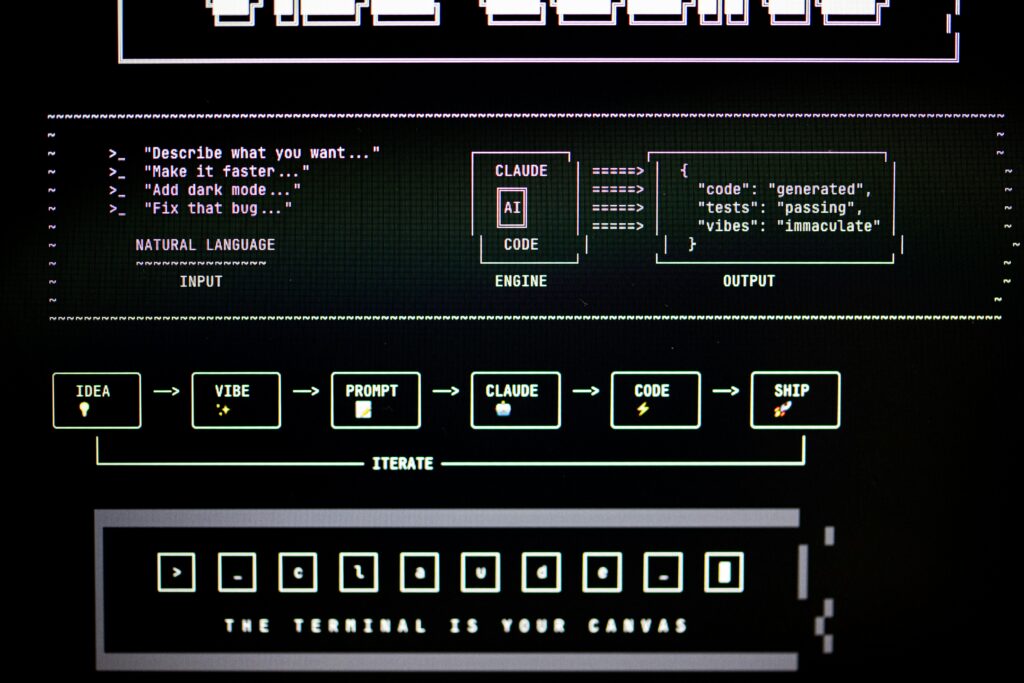
Choose University If:
- You want formal degree
- You plan to go into AI research or academia
- You want deep technical foundations
Choose Zaio If:
- You want to start earning faster
- You prefer hands on learning
- You want to build a portfolio quickly
- You plan to freelance or work remotely
Smart Strategy (Best of Both Worlds)
Many successful people today:
- Learn through institutes like Zaio
- Then self tech advanced AI skills
- Build projects + portfolio
- Start freelancing or working remotely
Is AI Prompt Engineering Still Worth It in 5 – 10 Years?
Let’s address the real concern.
Will AI Replace Prompt Engineering?
Partially – but not entirely.
AI is getting a understanding vague prompts.
However, businesses still need:
- Structured workflow
- High – quality output
- Industry – specific expertise
- Strategic thinking
Future Outlook (2026 – 2035)
Prompt engineering will likely evolve into:
- AI Workflow Designer
- AI Product Specialist
- Automation Consultant
- AI Content Strategist
- AI Systems Architect
Why Demand Will Continue
1. AI adoption is accelerating globally
2. Businesses want efficiency and automation
3. AI still require human guidance
4. New tools create new opportunities
The Real Truth
Basic prompt writing become easier.
But high – level prompt engineering = high income skills
Skills You Need to Succeed
Core Skills
- Clear communication
- Logical thinking
- Creativity
- Problem solving
- Understanding AI behavior
Advanced Skills
- Python (optional but powerful)
- API integrations
- Automation tools
- Data analysis
- UX thinking
How to Get Started (Practical Roadmap)
Step 1: Learn AI Basics
Understand how AI models work.
Step 2: Practice Daily
experiment with prompt for:
- Content creation
- Coding
- Business automation
Step 3: Build Projects
Create:
- Chatbot prompts
- Blog generation systems
- Social media automation
Step 4: Build a Portfolio
Show:
- Before vs after the results
- Case studies
- Real work application
Step 5: Start Earning
- Freelance
- Apply for remote jobs
- Offer service to business
Pros and Cons of AI Prompt Engineering as a Career
Pros
- High demand
- No strict degree requirement
- Remote work opportunities
- Freelancing flexibility
- Fast entry (months, not years)
- Scalable income
Cons
- Constant learning required
- Competitive market growing fast
- Tools evolve quickly
- Some roles may become automated
- Require creativity = discipline
Frequently Asked Questions (FAQs)
1. What does an AI Prompt Engineers do on daily basis?
They design, test, and refine prompt to improve AI outputs across tasks like content creation, automation, coding, and customer support.
2. Can I become a prompt engineer without coding?
Yes. Coding help, but it’s not require to start.
3. How much can I realistically earn in South Africa.
Between R300K and R1,5M+ annually, depending on experience and whether you work local or internationally.
4. Is freelancing better than a job?
Freelancing offers flexibility and higher earning potential but jobs offers stability. Many people combine both.
5. Is Zaio better than university?
Not better, just different.
Zaio is faster and practical. University is deeper and academic.
6. Can prompt engineering be replaced by AI?
Basic tasks maybe automated, but advanced strategic roles will remain valuable.
7. How do I stand out?
Build strong portfolio with real results. That matters more than certificates.
8. Do companies really hire prompt engineer?
Yes. And demand is growing as AI adoption increases like wild fire.
9. What industries need prompt engineers
- Marketing
- Tech
- Finance
- Healthcare
- Education
- Media
10. What’s the biggest mistakes beginners make?
Focusing on theory without building real projects.
Conclusion
AI Prompt Engineering is not just a trend – It’s a gateway into the future of work.
Whether you choose a traditional university path or faster, practice route through institutes like Zaio Institute of Technology, your success will depend on one thing:
Your ability to produce real result using AI.
The opportunity is massive.
The barrier to entry is lower than most tech careers.
And the earning potential is only growing.
If you move early, stay consistent, and build real skills – you won’t just follow the AI wave.
AI is changing everything and the people who move first win the most. Learn in demand skills with Zaio Institute of Technology and get ahead while others are still thinking about it.
Start now before the market get over crowded.
Everything To know About Data Architect 2026 & Beyond
Robotic Engineer Career Guide: Everything you need to know.
How to Break into Software Development: A Complete Blueprint