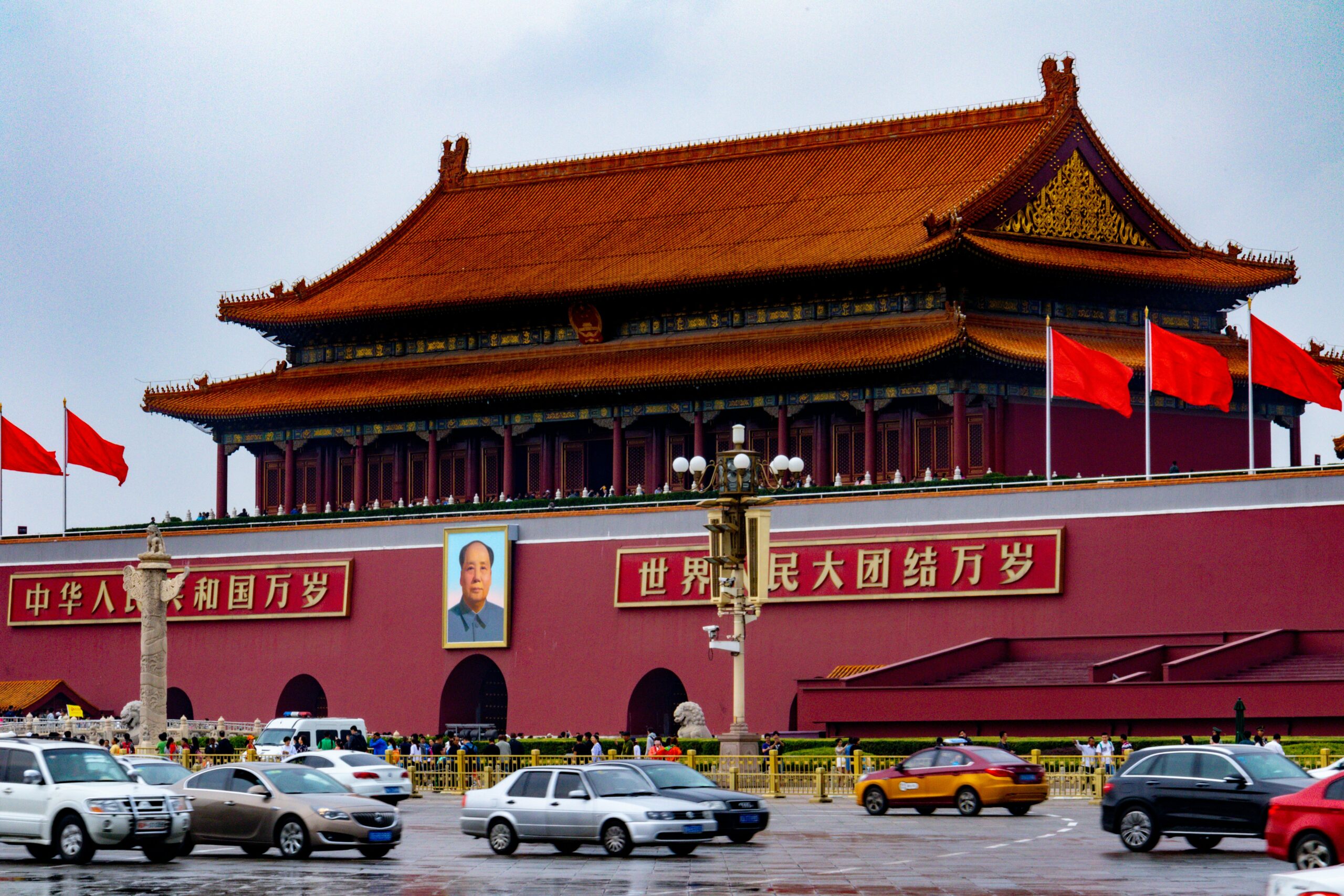
China’s rise from poor, development nation to the worlds second-largest economic is one of the most astonishing transformation in modern history. In just four decades, China moved from rural poverty to becoming a global superpower in trade, technology, infrastructure, and manufacturing. While many countries struggle with unstable policies and slow growth, China continue to expand its influence in international market, supply chains, innovation, and global finance.
This article explores the core finance,economic ,and strategic policies China used to outgrown other countries. These strategies includes massive infrastructure investments, long-term industrial planning, export-led growth, technology advancement, and expansion of domestic consumption. Each one played a crucial role in making China an unstoppable economic force.
- Introduction:The Rise of a Global Economic Superpower
The world today measures economic strength throughout GBP output, international trade influence, foreign exchange reserves ,global production capacity, technology leadership, and internal stability.
China excels I nearly every category.
From the 1990s to today, China has been
- The fastest-growing major economic
- The largest exporter on the planet
- The second-largest importer
- The biggest manufacture hub
- A leader in technology, AI, and renewable energy
- A country with 1.4 billion consumers
China’s financial strategies were never random. They were designed using a systematic approach, combining government direction, corporate execution, and long-term planning. These strategies are so effective that many countries now try to copy China’s model, but few succeed.
Why?
Because China understand that the economic power is built, not wished for. It requires intention, leadership ,and consistency-something China mastered more than most nations.
This article break down how China built its economic power in five major areas that allowed it to outgrow most of the world
- Massive Infrastructure investment: The Backbone of China’s Finance Strength
China’s infrastructure story is unmatched.
While other countries debate for years before building a single bridge, China builds:
- Railways within months
- Mega airports in record time
- Entire cities in 2-5 years
- Hundreds of factories every quarter
- Thousands of kilometer of highways every few years
China has largest high-speed rail network globally, covering:
- 45,000+ kilometers
- Connecting almost every major city
- Reducing travel time dramatically
This transportation efficiency reduces business cost, boosts tourism, and strengthen nationwide commerce
China build ”economic zone” designed for specialized industries
- Tech parks
- Manufacture zones
- Free economic areas
- Export processing hubs
These zones attract:
- Big companies
- Foreign investors
- Technology partnerships 2.3 Infrastructure as Economic Stimulus
Whenever growth slow,China invest heavily in:
- Roads
- Housing
- Railways
- Digital infrastructure
This keep unemployment low and boost domestic spending
Infrastructure investment also make China a major global lender, financing project under the Belt and Road initiative (BRI)across Asia, Africa, and Latin America. This expand China’s financial influence worldwide
- Long-term Industrial Planning: China’s Strategic Blueprint for Growth
One of the China’s most powerful weapons in its Five-Year Plans
These plans outline:
- What industries will grow
- What technologies will dominate
- Which region will develop
- How the economic should transform
Unlike many countries that change policies frequently, China maintain consistency
China’s government act like CEO of massive Company
- Sets economic targets
- Directs investments
- Supports strategic industries
- Reduces uncertainty
This stable leadership attracts investors and allows business to plan decades ahead
China identifies industries that fuel global competition
- AI
- Robotics
- Semiconductors
- Renewable energy
- Electric vehicles
- Biotechnology
- Space technology
Billions of Dollars are invested in these fields to ensure China lead the future
China long-term plan focus on:
- Creating strong domestic companies
- Reducing foreign imports
- Becoming self-reliant in technology
This is how brand like Huawei, BYD, Alibaba, and Tencent became world leaders.
- Export-led Growth and Supply Chain Dominance
China become the factory of the world throughout a powerful export strategy.
China’s manufacturing advantage comes from
- Lower labour costs
- Skilled workforce
- Strong infrastructure
- Efficient logistic
- Industrial specialization
This allow China to produce goods:
- Cheaper
- Faster
- At higher volume 4.2 Global Supply Chain Integration
China isn’t just a manufacturing hub-it’s the center of global supply chain
Companies like:
- Apple
- Samsung
- Tesla
- Nokia
- Microsoft
- Toyota
All depend on China for parts, assembly, or materials.
China earns trillions throughout exporting:
- Electronics
- Machinery
- Clothing
- Household goods
- Vehicles
- Medical equipment
Export revenue boost
- Foreign exchange reserve
- National investment
- Global financial power
China now control the supply of essential materials like rare earth minerals, giving its a strategic leverage over the world
- Technology & Innovation Investment: China’s Shift to a High-Tech Powerhouse
China is rapidly transitioning from being the world’s factory to being a global technology superpower.
China invests heavily in:
- Artificial Intelligence
- Facial recognition
- Smart cities
- Robotics
- Big data analytics
Chinese companies process more data than any country, giving them a major advantage in AI development
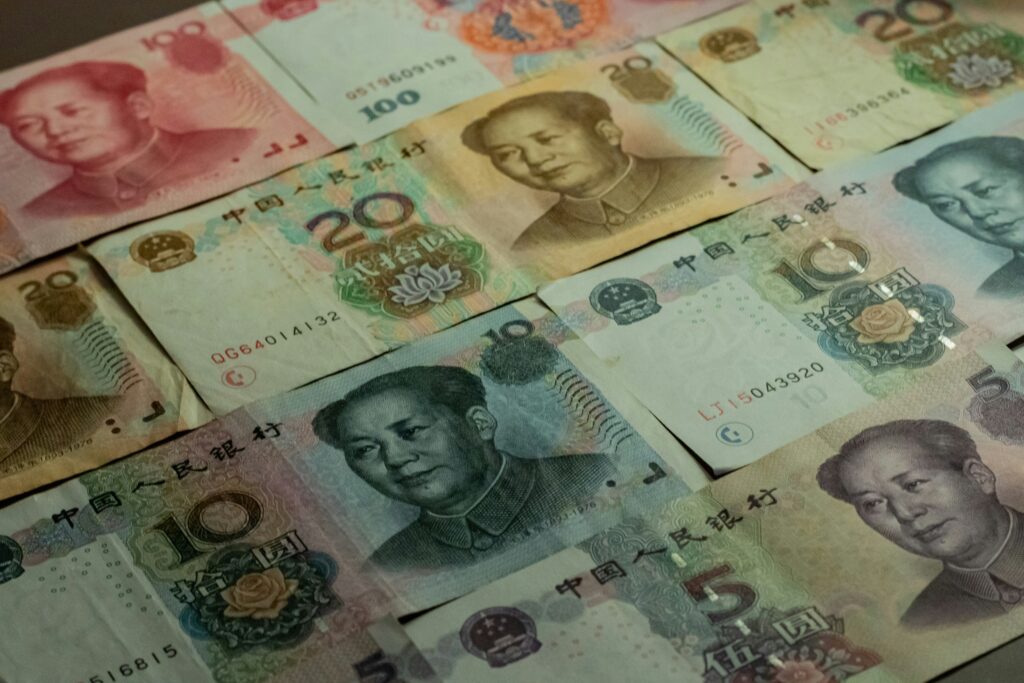
China built the world’s largest 5G network, which:
- Accelerates digital transformation
- Supports IoT devices
- Enhances automation
- Improves logistics
China is home to:
- The largest EV charging stations
- The EV market
- Leading EV companies (BYD, NIO, XPeng)
China now exports more electric cars more than any other country.
China dominates global solar panel production and is the world’s largest investor in:
- Solar power
- Wind power
- Hydropower
This reduce energy costs and strengthens economic independence.
China aims to reduce reliance on US- controlled semiconductor technology by:
- Building domestic chip factories
- Partnering with global tech firms
- Funding local research centers
This will shape the future of global technology power.
- Domestic Consumption and the Dual Circulation Strategy
China has over 400 million middle-class consumers, making it the largest consumption market in the world. The middle class drives:
- Retail spending
- Real estate
- Digital services
- Food and luxury good
China leads the global shift to cashless systems throughout:
- Wechat pay
- Ali pay
These system increased:
- Transparency
- Tax collection
- Consumers convenience
Digital payment also fuel China’s massive e-commerce industry.
- 6.3 Dual Circulation Policy
China use a two-sided economy model:
- International circulation (export and global trade)
- Domestic circulation (local consumption and internal growth)
This protect China from external shocks like
- Trade wars
- Currency fluctuation
- Global recessions
Platforms like:
- Alibaba
- JD.com
- Douyin (TikTok China)
- Pinduoduo
Drive billions in daily transactions.
China’s e-commerce marker is bigger than the US and Europe Combined
- China’s Finance Philosophy:Discipline, Consistency, and Long-Term Vision
One major reason China outgrew other nations is its economic discipline.
Chinese households save a large percentage of their wealth income, which:
- Support national banks
- Reduce reliance on foreign loans
- Funds domestic investment
Unlike western countries, china banks follows government direction, not market pressure.
This allows China to:
- Invest heavily during crisis
- Keep project running
- Avoid financial collapse
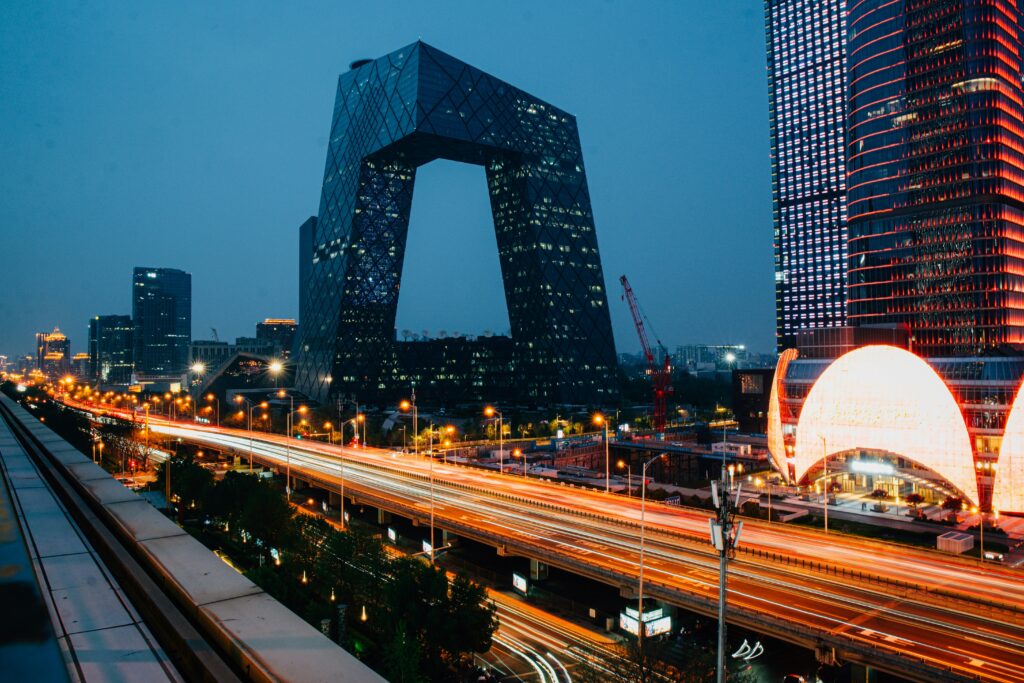
China manage the value of it currency (the Yuan)
Strategically to:
- Boost exports
- Maintain stability
- Control inflation
- Challenges China Faces Today
Even with massive progress,China face several challenges:
- Slowing population growth
- Youth unemployment
- Rising house hold debt
- Global politician pressure
- US-China trade tensions
however,China continuously adapt its financial strategies to remain competitive
- Lessons Others Countries Can Learn From China
Countries that want long-term growth can study china’s model and learn
- Think long-term, not short
Growth takes planning, not election-cycle decision.
- Invest in infrastructure
Roads, rail, and digital systems support future wealth
- Support local industries
Domestic manufacture creates jobs and stabilized the economy.
- Embrace technology
AI, robotic, and digital payments raise production
- Strength export potential
International trade remain the backbone of economic power.
- Conclusion: Why China Outgrow the World
China economic rise is not luck-it is result of smart, consistent, well-planned financial and industrial strategies. Throughout massive infrastructure investment, long-term planning, export dominance, technology innovation, and strong consumption,China built one of the most powerful economic in modern history.
As other country face slow growth, China continue to push forward, adapting to global changes and increasing its influence in every major sector-from technology to energy, trade, manufacture, and global finance.
China’s finance strategy is a long-term blueprint that show the world how a nation can transform its economy with vision, discipline, and determination.
Gain in-demand tech skill and take your first step towards a future-proof career.
Click here on this link to apply and to start learning more about this industry.
https://alison.com/courses/it?utm_source=alison_user&utm_medium=affiliates&utm_campaign=55497538
or
https://alison.com/courses/management?utm_source=alison_user&utm_medium=affiliates&utm_campaign=55497538

Leave a Reply