
Introduction
In a increasingly digital world, Cybersecurity has become one of the most critical and fastest-growing field in technology. From banks and government to startups and personal devices, every system connected to the internet is a potential target for cyberattacks. This growing threat landscape has created massive demand for skilled professionals who can protect data, networks, and systems.
One of the accessible and in-demand roles in this space is Cybersecurity analyst. It is often considered the gateway role into the Cybersecurity industry and does not require you to be a “hacker genius” or a computer science prodigy from day one. With the right roadmap, discipline, and hands-on practice,it is entirely possible to become a Cybersecurity analyst throughout self-study, certification, or formal education.
This article provide a complete roadmap explaining:
- What a Cybersecurity analyst does
- Skills and tools you must learn
- Education path (degree vs self taught)
- Certification that matter
- Career progression and salary expectations
- Freelancing and monetization opportunities
- What the role will look like in 2026 and beyond
Whether you are beginner, career switcher, or IT professional looking to specialize, this guide will help you understand the journey clearly.

What Is Cybersecurity Analyst?
A Cybersecurity Analyst is responsible for protecting an act as the front-line defenders organization’s digital assets by monitoring, detecting, analyzing, and responding to cyber threats. They act as front-line defenders against hackers, malware, ransomware, phishing attacks, insider threats, and systems vulnerabilities.
Cybersecurity work across network, servers, endpoints, cloud systems, and applications to ensure that data remains confidential, system remain available, and operations remains secure.
Core Responsibilities Of a Cybersecurity Analyst
- Monitoring network traffic and system logs for serious suspicious activity
- Investigating security incidents and breaches
- Performing vulnerability assessment and risk analysis
- Implementing and maintaing security control
- Responding to cyber incident and coordinating recovery
- Writing security reports and documentation
- Ensuring compliance with security policies and regulations
- Education employees on security best practice
Cybersecurity analyst often work in security operations center (SOCs), but many also work remotely, freelance, or consult for multiple organizations.
Why Cybersecurity Is a High-Demand Career
The demand for Cybersecurity professional continue to grow due to several factors:
1. Rising cybercrime – Ransomware, identity theft, and data breaches are increasing yearly.
2. Digital transformation – cloud computing, remote work, and IOT devices expand attack surfaces.
3. Regular pressure – government and industries requires stronger data protection.
4. Talent shortages – There are far more open Cybersecurity roles than qualified professionals.
Cybersecurity analyst are needed in:
- Finance and banking
- Healthcare
- Government and defense
- Telecommunication
- E-commerce
- Tech startups
- Education institutes
This demand is expected to grow strongly beyond 2026, making Cybersecurity a future-proof career.
Cybersecurity Analyst Career Road-map (Step-Step)
Step 1: Build a Strong IT Foundation
Cybersecurity is not a isolated from IT. Before specializing, you need to understand how systems works.
Core IT knowledge to Learn
- Computer hardware basics
- Operating systems (Windows, Linux, macOS)
- Networking fundamentals
- How servers, routers, and firewalls works
- Basic troubleshooting
You don’t need to master everything at once, but you must understand how data moves and how systems communicate.
Step 2: Learn Networking Fundamentals
Networking knowledge is non-negotiable for Cybersecurity analysts.
Key Networking Concepts
- TCP/IP model and OIS model
- IP adresses, DNS, DHCP
- Ports and protocols (HTTPS, FTP, SSH, SMTP)
- Firewalls and routers
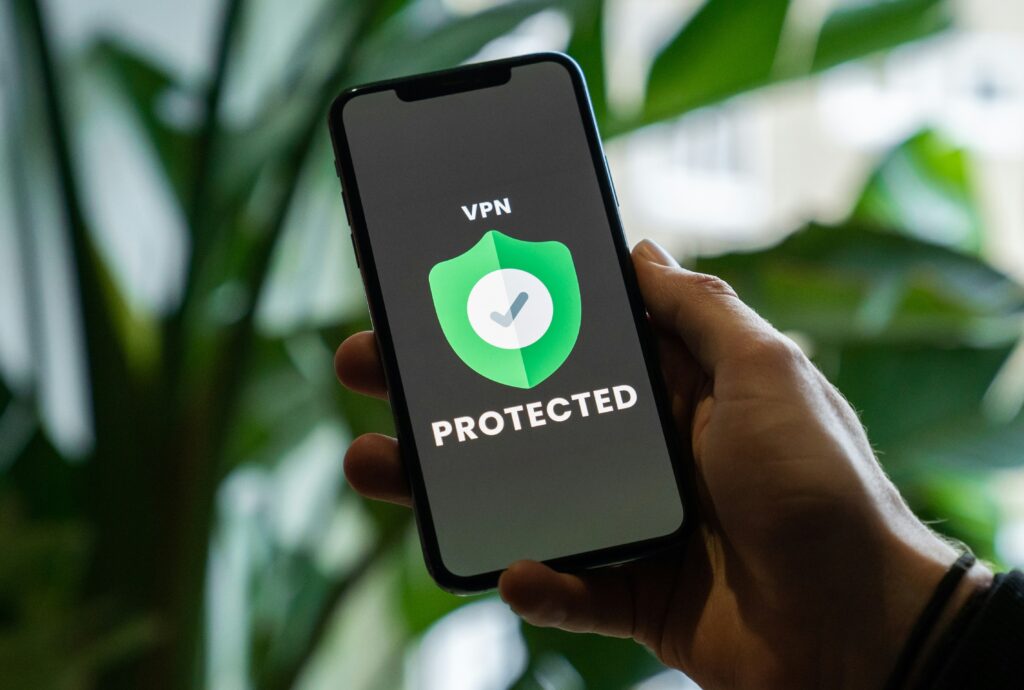
- VPNs
- Network segmentation
Understanding networking help you detect abnormal traffic, identify attacks, and secure infrastructures.
Step 3: Understanding Operating Systems(Especial Linux)
Cybersecurity Analyst work heavy with operating systems
Focus areas
- Windows security (Active Directory, permissions, event logs)
- Linux command line (bash, permissions, processes)
- User and access management
- File systems and systems logs
Linux is specially important because many servers, security tools, and cloud systems run on Linux.
Step 4: Learn Cybersecurity Fundamental
This is where you officially enter Cybersecurity.
Core Security Concepts
- CIA Triad (Confidentiality, Integrity, Availability)
- Threats, vulnerabilities, and risks
- Malware types (viruses, worms, ransomware, Trojans)
- Social engineering and phishing
- Authentication and authorization
- Encryption basics
These fundamental from the language of Cybersecurity and appear in every certification and job interview.
Step 5 : Learn Security Tools Used by Analysts
Cybersecurity analysts rely on tools to monitor, detect, and respond to threats.
Essential Tools to Learn
- SIEM tools (for long monitoring and alerts)
- Intrusion Detection and Prevention System (IDS, IPS)
- Endpoint protection tools
- Vulnerability scanners
- Packet analyzers
- Log analysis tools
You don’t need to master every tool, but you should understand what each tool does and when to use it.

Step 6: Learn Incidence Response and Threat Analysis
Incidents response is at the heart of a Cybersecurity analyst’s job.
Incident Response Skills
- Identifying security incidents
- Containment strategies
- Root cause analysis
- Eradication and recovery
- Post-incident reporting
You should also learn:
- Threat intelligence basics
- Indicators of compromise (IOCs)
- Attacks frame works like MITRE ATT&CK
Step 7: Practice With Hands-On Labs and Projects
Cybersecurity is a skill-based field , not just theory.
Practice Experience Ideas
- Set up a home lab with virtual machines
- Practice monitoring logs
- Simulate attacks and analyze them
- Secure a small network environment
- Participate in capture-the (CTF) challenges
Hands-on practice builds confidence and makes you job-ready
Step 8: Choose an Education Path (Degree vs Self-Taught)
There is no single path to becoming a Cybersecurity analyst.
Option 1: University Degree
- Computer Science
- Information Science
- Cybersecurity
Pros:
- Structured learning
- Recognized credentials
- Easier entry into corporate roles
Cons:
- Time – consuming
- Expensive
Option 2: Self – Taught + Certifications
- Online courses
- Bootcamps
- Certifications
Pros:
- Faster
- Cheaper
- Skill – focused
Cons:
- Requires discipline
- You must build your own portfolio
Many successful analyst use a hybrid approach.
Step 9: Earn Relevant Certifications
Certification help validating your knowledge and improve employability.
Entry-level Certifications
- CompTIA IT Fundamental
- Comptia A+
- CompTIA Network+
Cybersecurity – Focused Certifications
- CompTIA Security+
- Certified SOC Analyst (CSA)
- Blue Team Certification
Certifications are especially valuable if you don’t have a degree.
Step 10: Apply For Entry-level Roles
Common early points includes:
- Junior Cybersecurity Analyst
- SOC Analyst Level 1
- IT Security Analyst
- Information Security Analyst
Focus on:
- Your skills
- Labs and projects
- Certifications
- Willingness to learn
Career Progression After Cybersecurity Analyst
With experience, you can advance to roles such as:
- Senior Cybersecurity Analyst
- SOC Analyst Level 2 or 3
- Incident Response Specialist
- Threat Hunter
- Security Engineering
- Cloud Security Specialist
Cybersecurity also allows specialization in:
- Blue Team (defense)
- Red Team (offense)
- Purple Team (both)

Salary Expectations (General Overview)
Cybersecurity analyst are well – paid due to demand and responsibility.
- Entry- level: competitive starting salary
- Mid – level: Strong growth within 2-3 years
- Senior roles: High earning potential
Salaries vary based on:
- Location
- Industry
- Certifications
- Experience
Remote work also opens access to international opportunities.
Freelancing and Monetizing Cybersecurity Skills
Cybersecurity analyst can monetize skills beyond full – time jobs.
Freelancing Opportunities
- Security audits for small businesses
- Vulnerability assessments
- Security consulting
- Incident response support
Other Monetization Options
- Teaching Cybersecurity online
- Writing blogs or guides
- Creating digital courses
- Bug bounty programs
- Security tool consulting
With experience, Cybersecurity can become both a career and a business.
The Future of Cybersecurity Analyst (2026 and beyond)
The role of Cybersecurity analyst will continue to evolve.
Key trends includes:
- AI – assisted threat detection
- Cloud security specialization
- Zero Trust security models
- Increased compliance and regulation
- Greater demand for analysts who understand automation
Human judgment, analysis, and decision – making will remain essential, even as AI grows.
Common Challenges and How to Overcome Them
Challenge 1: Feeling Overwhelmed
Cybersecurity is broad. Focus on one step at a time
Challenge 2: Lack of Experience
Build labs, document projects, and practice consistently
Challenge 3: Imposter Syndrome
Every Cybersecurity professional started as a beginner.

Frequently Asked Questions (FAQ)
1. Do I need a degree to become a Cybersecurity analyst?
No. Many analyst succeed with certification, self-study, and hands-on experience
2. How long does it take to become a Cybersecurity analyst?
Typically 6-24 months depending on background, learning pace, and dedication.
3. Is Cybersecurity hard to learn?
It can be challenging, but it is manageable with structured learning and practice.
4.Can beginners enter Cybersecurity with no IT experience?
Yes, but starting with basic IT and networking knowledge is essential.
5. Is Cybersecurity a good career for the future?
Yes. Demand is expected to grow well beyond 2026.
6. Can I work remotely as a Cybersecurity analyst?
Yes. Many organizations offer remote or hybrid roles.
7. What skills matters more: certifications or experience?
Experience matters more, but certification help open doors.
8. Can Cybersecurity analyst freelance?
Yes. Many analyst offer consulting, audits, and security services.
Conclusion
Becoming a Cybersecurity analyst is one of the most rewarding and future-proof career path in technology. It offers job security, strong earning potential, flexibility, and the satisfaction of protecting systems and people from real-world threats.
With a clear roadmap, consistent practice, and commitment to learning, anyone can enter this field-regardless of background. Whether you choose a degree, self-study, or a hybrid approach, Cybersecurity rewards those who stay curious, disciplined, and adaptable.
This career is not just about technology-it’s about trust, responsibility, and resilience in the digital age.
Gain in-demand tech skill and take your first step towards a future-proof career.
Click here on this link to apply and to start learning more about this industry.
https://alison.com/courses/engineering?utm_source=alison_user&utm_medium=affiliates&utm_campaign=55497538

Switzerland financial safe haven
“The powerful Strategic Behind China’s Economic Rise, Treasure”china highway building

Machine Learning is a new Thing, Everything to know in one Guide
Leave a Reply