
Introduction
Robotic has emerged as one of the most exciting and rapidly growing fields in technology today. From industrial automation to artificial intelligence-driven robots, the demand for skilled robotic engineer is soaring. A career in robotics blends mechanics engineering, electrical engineer, and computer science, making it an idea choice for problem solvers who love innovation.
This blog provides a comprehensive guide for aspiring robotic engineers, covering education paths, career opportunities, salaries, freelancing options, and essential skills to thrive in this futuristic field.
What Is a Robotic Engineer?
A robotic engineer is a professional who design, builds, test, and maintains robots. These robots can be used in manufacturing, healthcare, military application,space exploration, and consumers electronics.
Robotic engineers works at the intersection of multi disciplines, including:
- Mechanical Engineering: Designing the physical structure and mechanism of robots.
- Electrical Engineering:Developing circuit, sensors, and control systems.
- Computer Science:Programming robot software, artificial intelligence (AI) and machine learning.
Key Responsibilities:
Education Path to Become Robotic Engineer
1. High School Preparation
Before entering robotic engineering programs, student should focus on subject that lay the foundation for this career:
- Mathematics: Algebra, calculus, and geometry are essential.
- Physics: Understanding mechanics, electricity, and energy principles.
- Computer Science: Basic programming, algorithms, and logic.
- Electronics and Mechanical Classes: Helpful for hands-on skills.
2. Undergraduate Degree
Most robotic engineering careers require at least a bachelor’s degree. Relevant programs include:
- Robotics Engineering (if available)
- Mechanical Engineering
- Electrical/Electronics Engineering
- Computer Engineering or Computer Science
- Mechanics Engineering (a combination of mechanics, electronics, and computing)
Top Global Universities for Robotics:
- Massachusetts Institute of Technology (MIT), USA-known as for Robotics research and cutting Edge AI projects.
- Carnegie Mellon University, USA – offers a Robotics Institute dedicated to research and innovation.
- Stanford University, USA- focuses on AI and autonomous robotics.
- ETH Zurich, Switzerland- strong in mechanical and industrial robotics.
- University of Tokyo, Japan- pioneers in humanoid and service robots.
- Technical University of Munich, Germany – Industrial and autonomous robotics programs.
3. Graduate Degree (Optional but Recommended)
While not mandatory, a master’s or Ph.D in robotics can open doors to advanced research, leadership roles, and high-paying jobs.
Graduates studies often specialize in areas like:
- Artificial Intelligence & Machine Learning for robotics
- Autonomous Vehicle and Drone Robotics
- Medical Robotics and surgical systems
- Industrial Automation and smart Factories
4. Online Course & Certificates
For those who cannot attend traditional universities or want to supplement their learning:
- Coursera: Robotics Specialization by University of Pennsylvania
- edX: Robotics Micro-masters by University of Queensland
- Udemy: Practical robotic programming and AI integration
- MIT OpenCourseWave: Free robots and AI courses.
Certificates in AI, machine learning, ROS, (Robot Operation System), and IoT can enhance employability
Essential Skills for Robotic Engineers
A successful robotic engineer needs both technical and soft skills.
Technical Skills
1. Programming language: Python, C++, Java, MATLAB, and ROS
2. Mechanical Design: CAD software like Solidwork or AutoCAD.
3. Electronics: circuit design, microcontrollers, (Arduino, RasberryPi)
4. Control the systems: PID controllers, automation, and feedback loops
5. AI & Machine learning: Neural network, computer vision, and autonomous decision-making.
6.Embedded Systems: Understanding low-level hardware-software integration.
Soft Skills
- Problem-solving and critical thinking
- Creativity and innovation
- Communication and team work
- Project management
- Attention to detail
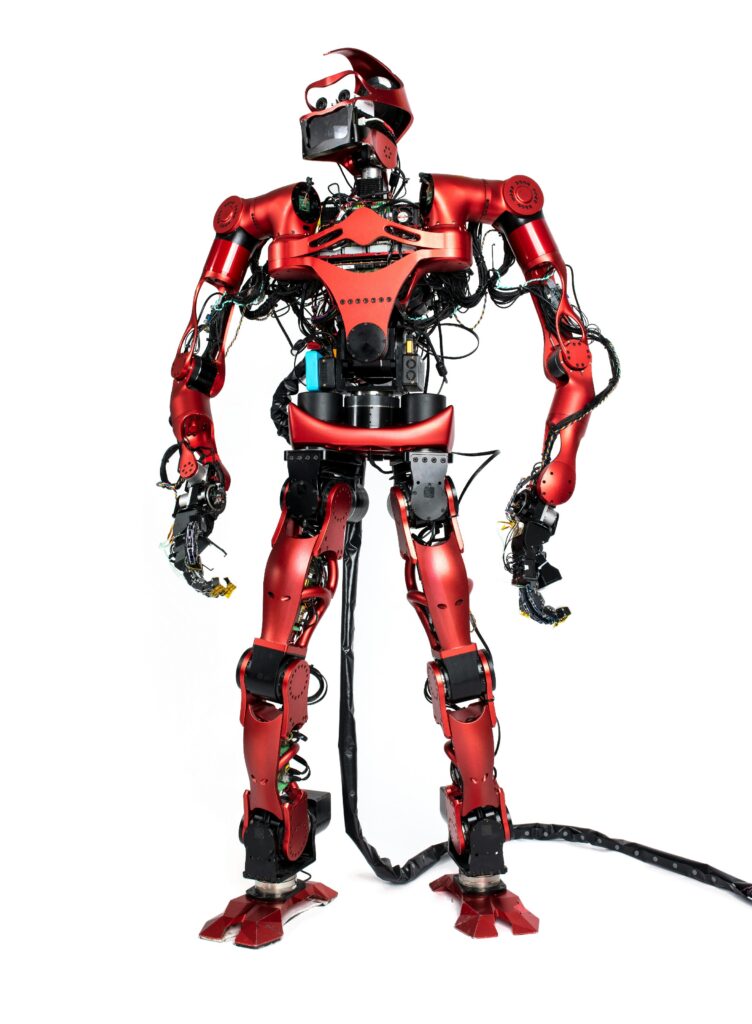
Careers Opportunities for Robotic Engineers
Robotic engineers can find employement in various industries, including
1. Industrial Robotics
- Companies: ABB, FANUC, Siemens
- Application: automated assembly lines, material handling, quality inspection
2. Healthcare Robotics
- Companies: Intuitive Surgical, Medtronic
- Applications: Surgical robots, rehabilitation devices, prosthetic
3. Consumer Robotics
- Companies: iRobot, Dyson, Tesla
- Application: Household robots, autonomous vacuum cleaners, drones
4. Military and Defense
- Companies:Lockheed Martin, Raytheon
- Application: Drones, bomb disposal robot, autonomous vehicle
5. Research & Academia
- Universities and private labs for robotic innovation, AI research, and space exploration
6. Space Robotics
- Agencies : NASA, ESA, SpaceX
- Application: Robotic arms for satelite, rovers, and spacecraft
Typical Job Titles
- Robotic Engineer
- Mechanics Engineer
- Automation Engineer
- AI Engineer
- Control Systems Engineer
- Embedded Systems Engineer
- Research Scientist in Robotics
Salary Expectations
Salaries for robotic engineer vary depending on experience, location, and industry:
| Position | Entry-Level Salary | Mid-Level Salary | Senior-level Salary |
| Robotics Engineer | $60,000-$80,000 | $80,0000-$110,000 | $110,000-$150,000 |
| Automation Engineer | $55,000-$75,000 | $75,000-$105,000 | $100,000-$140,000 |
| AI/Robotics specialist | $70,000-$90,000 | $90,000-$130,000 | $130,000-$180,000 |
| Research Scientist | $65,000-$85,000 | $85,000-$120,000 | $120,000-$160,000 |
Note:
Salaries vary by country. In South Africa, entry-level robotic engineers may start around R250,000-R400,000 per year, with a senior roles earning R600,000-R1,200,000+
Can Robotic Engineer Freelance?
Yes, Robotic engineering offers freelancing opportunities, although it is less common than software freelancing due to hardware constraints. Freelance option includes:
1. Consulting: Offering advice to companies on automation, robotic integration, or a system design.
2. Robotics Programming: Developing software for robots or AI algorithms.
3. Prototypes Development: Designing, building, or testing robotics prototypes for startups or investors.
4. 3D Printing and CAD Design: Freelancing on mechanical part and design models for robots.
5. Online Tutoring and courses: Teaching robots, AI, or programming remotely.
Platform for Freelancing Robotics Engineers:
- Upwork and Freelancer- for software and robotics project
- Toptal- for high-end technical consulting.
- Fiverr- small robotics and CAD-related services
- LinkedIn- building a personal brand as a robotic constant
Freelancing an earn from $30 to $150 per hour, depending on experience and project complexity.
Trends in Robotics
The field is evolving rapidly, and robotic engineers should stay ahead with tread like:
- AI-powered Robots: Robots capable of learning adapting.
- Collaborative Robots (cobots): Robots designed to work along humans.
- Autonomous Vehicle: Self-driving cars and drones.
- Medical Robotic: Advanced surgical and rehabilitation robots.
- Robotics in Agriculture: automated planting, harvesting, and monitoring.

FAQs About Robotic Engineering
Q1: Do I need a degree in robotics to become engineer?
- A degree in robotics is ideal but not mandatory. Degree in mechanical, electrical, or computer engineering with robotics specialization work well.
Q2: Is robotics a high-paying career?
- Yes, specially in AI, industrial automation, and healthcare robotics. Senior engineers can earn six-figures salaries globally.
Q3: Can I freelance as a robotics engineer?
- Yes, mainly in programming, consulting, prototypes development, and design services.
Q4: How long does it take to become a robotics engineer?
- Typically 4 years for a bachelor’s; a master’s adds 1-2 years.
Q5: Are robotics engineers n Demand?
- Absolutely. With Industrial 4.0, AI, and automation, demand is increasing globally.
Conclusion
A career as a robotics engineer is both challenging and rewarding. It requires a blend of mechanical, electrical, and programming skills but offers limitless opportunities in innovation, high-paying roles, and global demand. Whether you want to work in industrial automation, healthcare, consumer robotics, or freelancing, the field is ripe with possibilities.
For those passionate about technology and innovation, robotics is more than careers-it’s a chance to shape the future. Start by building a strong foundation in mathematics, physics, and programming, pursue a relevant degree, and embrace continuous learning in AI and automation. The world of robotics awaits your creativity and expertise.
Gain in-demand tech skill and take your first step towards a future-proof career.
Click here on this link to apply and to start learning more about this fast growing industry.

Leave a Reply